
America’s National Parks
Puzzle 14 · Southeast and Caribbean · Page 28 in print
Cumberland Island
Cumberland has the only herd of feral horses on the Atlantic coast that is not managed, receiving no food, water, veterinary care or population control.
Jump to a word
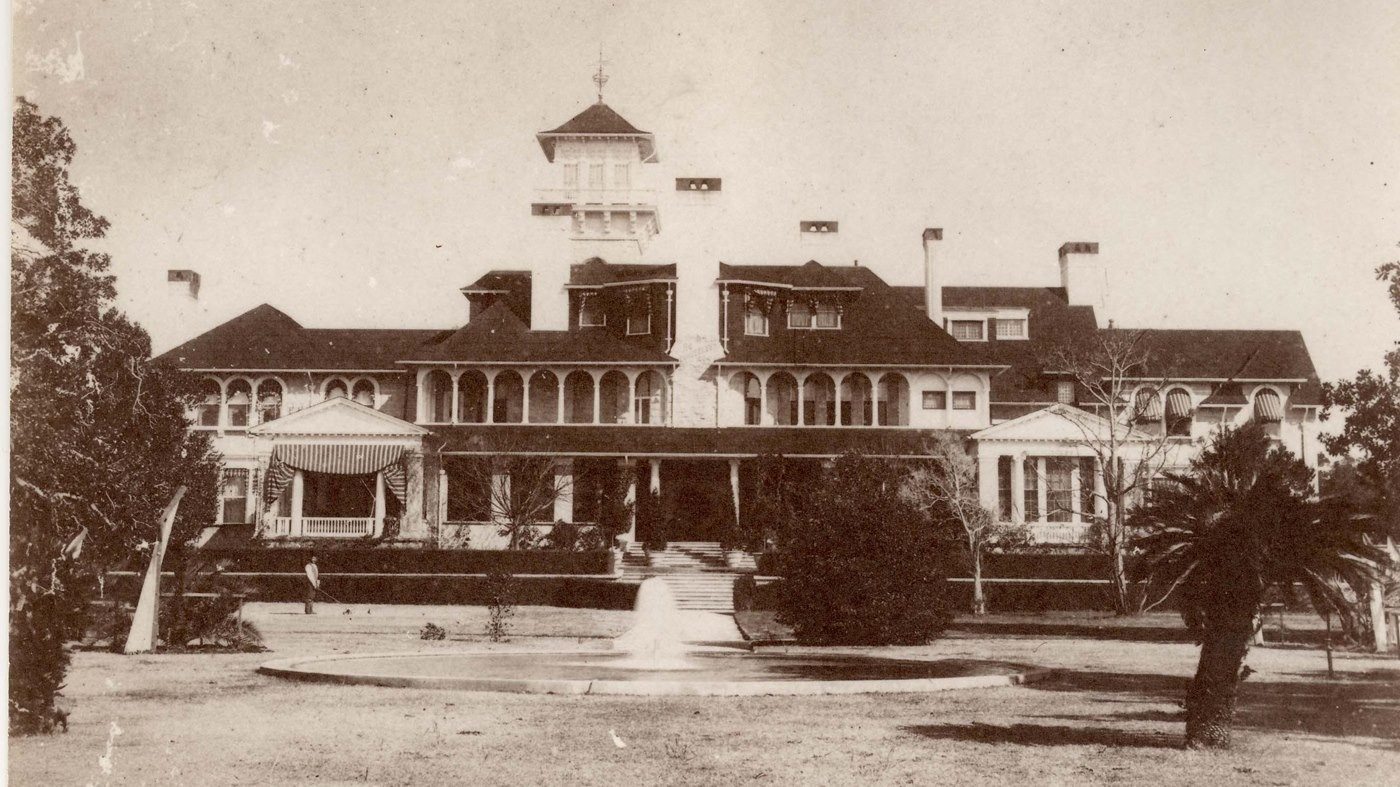
A historic photograph of Dungeness before the mansion became a ruin.
NPS Photo · Public domain (U.S. federal government work) · Original recordImage changes
Resized and converted to JPEG for display; no subject alteration.
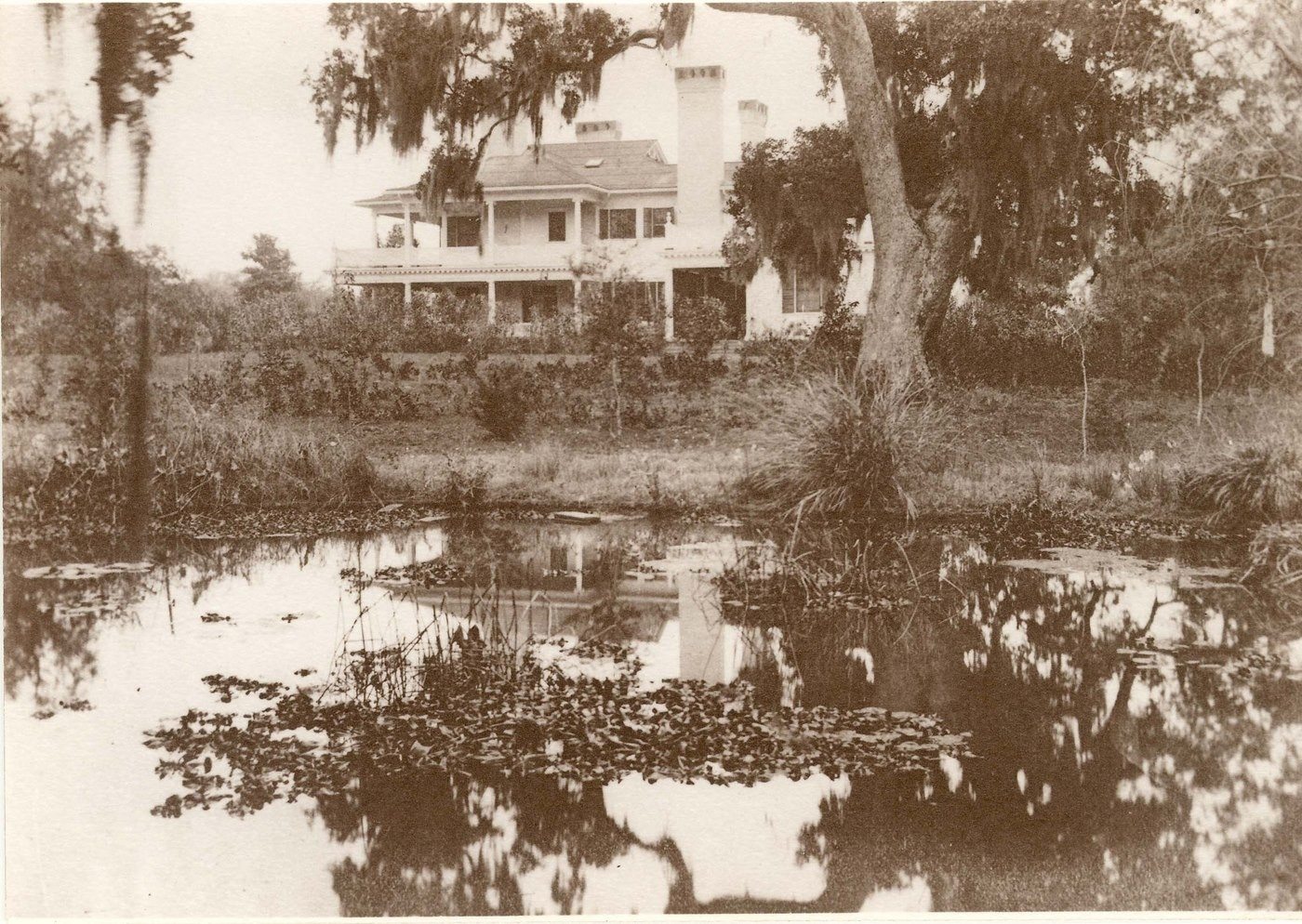
A Dungeness Estate cottage viewed from the Duck Pond.
NPS Photo / Cumberland Island National Seashore Archives 4561 · Public domain (U.S. federal government work) · Original recordImage changes
Resized and converted to JPEG for display; no subject alteration.
The words
Armadillo
Armadillos forage through Cumberland’s forest floor for insects and other small animals. Strong claws, a keen sense of smell and a sticky tongue help them find food beneath leaves and soil.
Did you know?
The island’s armadillos almost always produce four identical young, all developing from a single fertilized egg that divides into four.
Dungeness
The Carnegie mansion at Dungeness was built over the remains of an earlier plantation house. Enslaved people had cultivated the surrounding plantation landscape; the later mansion became ruins after a 1959 fire.
Park Service: Dungeness history (opens a new tab) · Park Service: Historic landscapes (opens a new tab)
Feral Horses
Descendants of domesticated horses living independently of human care.
Horses introduced for work and recreation became feral by the park’s establishment in 1972. Their grazing and trampling remove native vegetation and can destabilize dunes and streambanks.
Fiddler Crab
Fiddler crabs help recycle dead plant material in Cumberland’s salt marsh. Their burrows let oxygen enter the mud, aiding the bacteria that break down organic matter and release nutrients.
Greyfield
Construction of Greyfield began in 1901 for Margaret Carnegie Ricketson and her husband, Oliver. The house was part of the Carnegie family’s island estates and opened as an inn in 1962.
Did you know?
Lucy Ricketson, later Lucy Ferguson, used a diamond ring to scratch her signature and the date 1915 into a Greyfield bedroom window.
Ice House
Built around 1900, the Ice House stored ice shipped to the Carnegie estate. The Park Service restored the building as a museum interpreting Cumberland’s residents, wildlife, habitats and archaeology.
Did you know?
A ventilated roof and walls 2 feet (0.6 m) thick, insulated with sawdust, helped preserve the estate’s imported ice.
Live Oak
Live oaks form the canopy of Cumberland’s maritime forest. Salt-laden air limits upward growth, encouraging the sprawling, twisted branches that spread over the island’s trails and roads.
Did you know?
Shipbuilders valued the naturally curved oak branches because their shapes fitted the angles needed in wooden naval vessels.
Loggerhead
Loggerhead sea turtles nest on Cumberland’s ocean beach. The park’s monitoring program locates nests, protects them from predators with screens, and examines them after hatching to assess breeding success.
Lucy Carnegie
Lucy Carnegie expanded Dungeness after her husband Thomas died. In 1896 she commissioned architects Peabody and Stearns to enlarge the mansion, while the grounds developed into elaborate gardens and lawns.
Park Service: Island buildings (opens a new tab) · Park Service: Historic landscapes (opens a new tab)
Saw Palmetto
Saw palmetto grows beneath Cumberland’s live-oak canopy, where dense foliage limits sunlight. It joins hollies and other shade-tolerant plants in an understory that provides food and cover for wildlife.
Sea Camp
Sea Camp’s ranger station stands beside its dock, providing a place to ask about the island and find maps, wildlife guides and ranger programs. It serves as an information center for visitors.
Spanish Moss
Spanish moss drapes Cumberland’s live oaks but is a flowering plant in the pineapple family, rather than a true moss. It draws on rain, fog and airborne material without parasitizing its host tree.
Did you know?
Northern parula warblers hollow out nesting spaces in clumps of Spanish moss, while white-eyed vireos weave its strands into hanging nests.
Tabby
A building material made from oyster shells, shell-derived lime, sand and water.
The Tabby House survives beside the Dungeness ruins from the island’s earlier plantation era. The Carnegie family later remodeled it into an office for managing the estate and its employees.
Timucua
Mocama, an Eastern Timucuan people, lived at Tacatacaru on Cumberland Island and gathered shellfish, game and plants. The Park Service describes European disease, slavery and war as devastating to Timucua communities.
Park Service: Mocama at Cumberland (opens a new tab) · Park Service: Timucua colonial history (opens a new tab)
Wild Turkey
Wild turkeys are among the island animals that eat Spanish moss. The same hanging plant also shelters bird nests, making the oak canopy a source of both food and nesting material.
Sources
- Maritime Forest - Cumberland Island National SeashoreNational Park Service
- Dungeness Audio Tour Stop 4National Park Service
- Feral Horses - Cumberland Island National SeashoreNational Park Service
- Salt Marsh - Cumberland Island National SeashoreNational Park Service
- Greyfield (Greyfield Inn), Cumberland Island: National Register of Historic Places Registration FormNational Park Service
- On Island - Cumberland Island National SeashoreNational Park Service
- Tabby HouseNational Park Service
- Cumberland Island National Seashore Cultural LandscapesNational Park Service
- Nightingale Trail - Stop 4 Spanish MossNational Park Service
- ArmadillosNational Park Service
- Sea TurtlesNational Park Service
- Dungeness Audio Tour Stop 1National Park Service
- What Happened to the Timucuan People?National Park Service