
The Life of Jesus
Puzzle 53 · Stories Jesus Told · Page 80 in print
Wheat and Tares
An enemy sows weeds among wheat; the separation waits for harvest, which Jesus explains as the end of the age.
Jump to a word
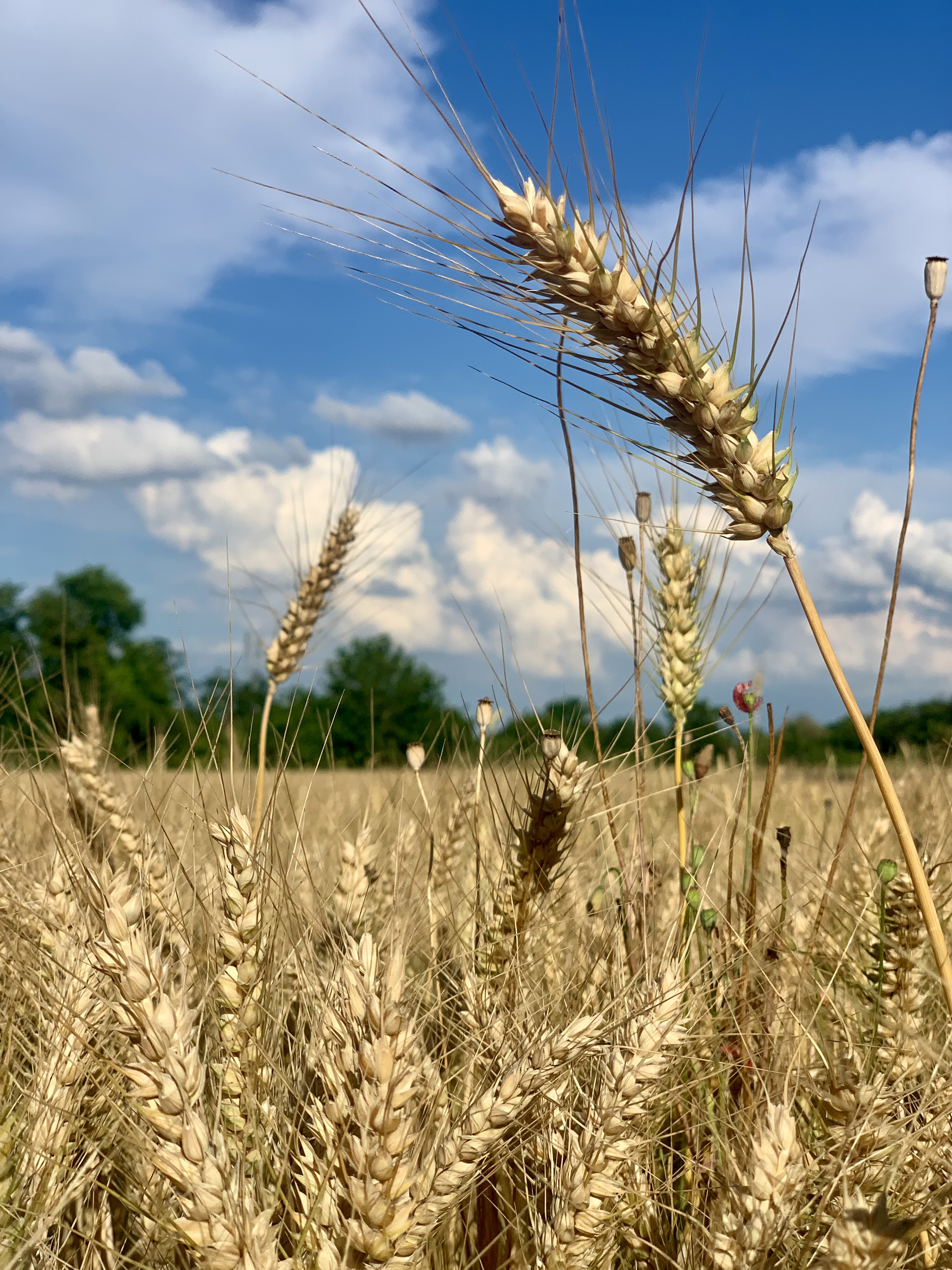
Ears of wheat, photographed June 5, 2026.
Daniela M. / Wikimedia Commons · CC BY-SA 4.0 · Original recordImage changes
Display copies resized; original downloaded JPEG preserved.
The words
Bind
The owner’s harvest instruction tells reapers to gather the tares and bind them in bundles for burning, while the wheat is gathered into the barn.
Blade
The growing plant or shoot, here.
Matthew places the appearance of the tares after the blade has sprung up and borne fruit; the NET describes plants sprouting and producing grain, clarifying the older crop term.
Matthew 13:26 (opens a new tab) · NET Bible: Matthew 13:24-30 (opens a new tab)
Bundles
The bundles belong to the tares in the harvest instruction: reapers are to gather and bind them for burning. The same sentence directs the wheat into the owner’s barn.
Burn
The story assigns burning to the gathered tares, while the wheat goes into the barn. Jesus’s explanation compares the burning with the end of the age and describes judgment.
Matthew 13:30, 40–42 (opens a new tab) · Matthew 13:36–43 (opens a new tab) · NET Bible: Matthew 13:36-43 (opens a new tab)
End of the World
The end of the age, in the NET.
Jesus identifies the harvest as the end of the world in the KJV; the NET says end of the age. The phrase belongs to his explanation of the field and reapers.
Matthew 13:38–40 (opens a new tab) · NET Bible: Matthew 13:36-43 (opens a new tab)
Enemy
In the story, the enemy sows tares while people sleep and then leaves. In the explanation, Jesus identifies the enemy as the devil and the good sower as the Son of Man.
Matthew 13:25, 37, 39 (opens a new tab) · Matthew 13:36–43 (opens a new tab)
Furnace of Fire
In Jesus’s explanation, angels gather what causes sin and those practicing lawlessness, then cast them into a furnace of fire; Matthew pairs this with wailing and gnashing of teeth.
Matthew 13:41–42 (opens a new tab) · NET Bible: Matthew 13:36-43 (opens a new tab)
Good Seed
The story begins with a man sowing good seed in his field. Jesus’s explanation calls the sower the Son of Man and the good seed the children of the kingdom.
Matthew 13:24, 37–38 (opens a new tab) · Matthew 13:36–43 (opens a new tab)
Householder
The owner or master, here.
The servants address the householder as the one who sowed good seed; he names an enemy as the source of the tares and refuses early uprooting to protect the wheat.
Matthew 13:27–29 (opens a new tab) · NET Bible: Matthew 13:24-30 (opens a new tab)
Reapers
Workers who gather a harvest.
The reapers are the workers instructed to gather at harvest in the story; Jesus’s explanation names the reapers as angels and the harvest as the end of the world in the KJV.
Did you know?
Ruth 2:4 gives reapers a spoken exchange: Boaz greets them with “The Lord be with you,” and they reply, “The Lord bless thee.”
Matthew 13:30, 39 (opens a new tab) · Matthew 13:36–43 (opens a new tab) · Ruth 2:4 (opens a new tab)
Slept
The enemy comes while men slept, sows tares among the wheat and departs; when the crop later grows and bears fruit, the tares become apparent and the servants ask about them.
Tares
Weeds among the wheat.
The KJV calls the unwanted plants tares, while the NET calls them darnel; Strong’s also glosses the word as darnel or false grain. In the story they grow among wheat until harvest.
Matthew 13:25–30 (opens a new tab) · NET Bible: Matthew 13:24-30 (opens a new tab) · Strong’s Greek: tares (opens a new tab)
Time of Harvest
The owner tells the servants to let wheat and tares grow together until harvest, because gathering the tares early could uproot wheat too; he then describes what he will tell the reapers.
Wailing
Weeping; crying in distress.
Matthew uses wailing with gnashing of teeth after the furnace image; the NET says weeping. The next verse turns to the righteous shining in the kingdom of their Father.
Matthew 13:42–43 (opens a new tab) · NET Bible: Matthew 13:36-43 (opens a new tab)
Wheat
The wheat is the crop the owner protects from premature uprooting and orders gathered into his barn at harvest; Jesus’s explanation ends with the righteous shining in their Father’s kingdom.
Matthew 13:29–30, 43 (opens a new tab) · Matthew 13:36–43 (opens a new tab)
Sources
- Matthew 13:24-30 (King James Version)King James Version, passage navigation via Bible Gateway
- Matthew 13:36-43 (King James Version)King James Version, passage navigation via Bible Gateway
- Matthew 13:24-30 (NET Bible), translation and notesNET Bible, via Bible Gateway
- Matthew 13:36-43 (NET Bible), translation and notesNET Bible, via Bible Gateway
- Ruth 2:1-4 (King James Version)King James Version, passage navigation via Bible Gateway
- Strong’s Greek 2215: zizania, taresStrong’s Exhaustive Concordance, via Bible Hub