
The Life of Jesus
Puzzle 54 · Stories Jesus Told · Page 81 in print
The Mustard Seed and Leaven
A small seed and hidden leaven describe the kingdom through growth and transformation.
Jump to a word
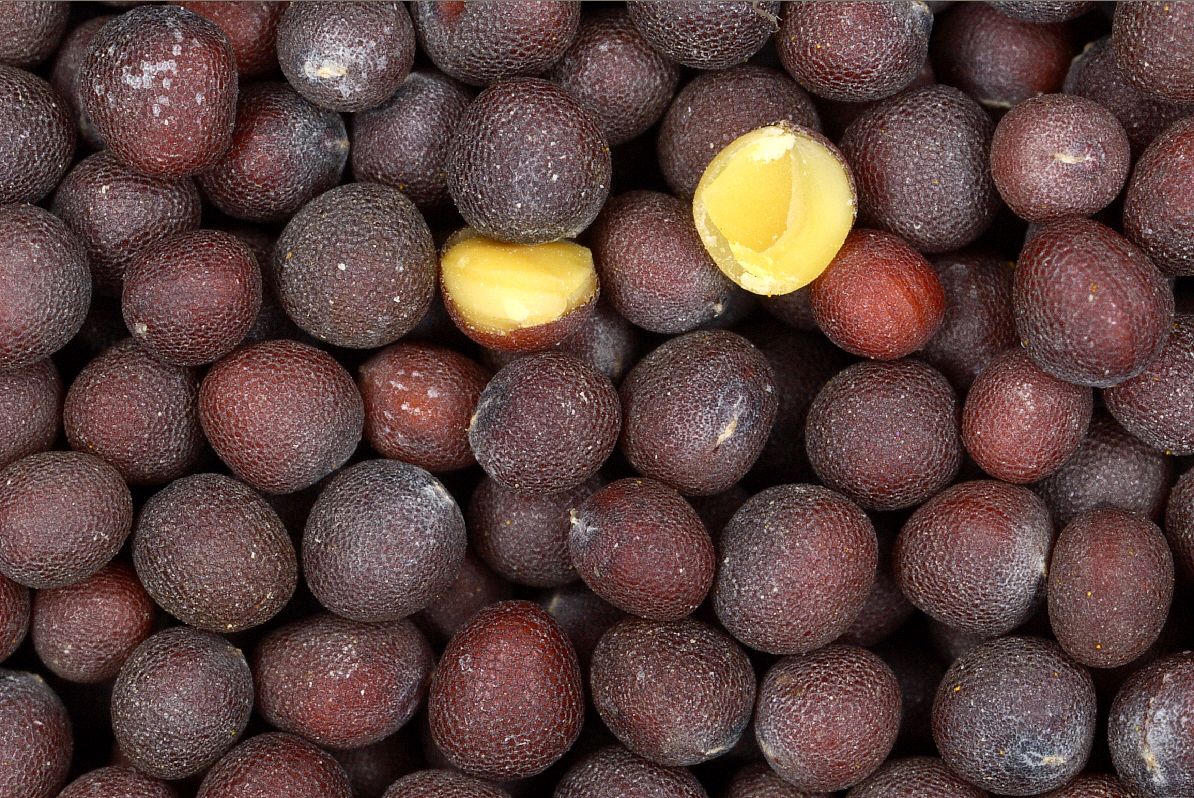
Mustard seeds in close-up.
Sanjay Acharya / Wikimedia Commons · CC BY-SA 3.0 · Original recordImage changes
Display copies resized; original downloaded JPEG preserved.
The words
Birds
Matthew and Luke put the birds in the grown plant’s branches; Mark describes them lodging under its shadow, completing the contrast between the small seed and a sheltering plant.
Matthew 13:32 (opens a new tab) · Luke 13:19 (opens a new tab) · Mark 4:31–32 (opens a new tab)
Branches
In Mark, great branches follow the seed’s growth beyond the other herbs; in Matthew and Luke, the branches are where birds come to lodge.
Mark 4:32 (opens a new tab) · Matthew 13:32 (opens a new tab) · Luke 13:19 (opens a new tab)
Foundation
The world’s beginning, in this phrase.
Matthew’s account closes with a quoted saying about revealing things kept secret from the foundation of the world; the NET identifies its source as Psalm 78:2.
Did you know?
After its opening about parables, Psalm 78 speaks of what fathers have passed down and of telling the coming generation the Lord’s praise and works.
Matthew 13:34–35 (opens a new tab) · NET Bible: Matthew 13:31-35 (opens a new tab) · Psalm 78:2–4 (opens a new tab)
Garden
Luke places the mustard seed in a man’s garden; Matthew says he sowed it in his field, while Mark describes it being sown in the earth before its growth.
Luke 13:19 (opens a new tab) · Matthew 13:31 (opens a new tab) · Mark 4:31–32 (opens a new tab)
Grain
A single seed, here.
Grain in Matthew and Luke means a single mustard seed that a man takes and sows; Matthew places it in a field, while Luke places it in a garden.
Matthew 13:31 (opens a new tab) · Luke 13:19 (opens a new tab) · NET Bible: Matthew 13:31-35 (opens a new tab)
Herbs
Garden plants, in this comparison.
Matthew compares the grown mustard plant with herbs; the NET calls it the greatest garden plant. Mark also uses herbs before describing the large branches and their shelter.
Matthew 13:32 (opens a new tab) · NET Bible: Matthew 13:31-35 (opens a new tab) · Mark 4:32 (opens a new tab)
Least
In the parable, Matthew calls the seed least of all seeds and Mark uses less than all the seeds in the earth; the NET notes emphasize its tiny size.
Matthew 13:32 (opens a new tab) · Mark 4:31 (opens a new tab) · NET Bible: Matthew 13:31-35 (opens a new tab)
Leaven
An agent that makes dough rise.
Matthew and Luke compare the kingdom with leaven hidden in three measures of meal until all is leavened; the NET calls it yeast and describes all the dough rising.
Matthew 13:33 (opens a new tab) · Luke 13:21 (opens a new tab) · NET Bible: Luke 13:18-21 (opens a new tab)
Lodge
Find shelter or nest.
Matthew and Luke use lodge for the birds in the branches; Mark puts them under the plant’s shadow, where the NET says they can nest in its shade.
Matthew 13:32 (opens a new tab) · Luke 13:19 (opens a new tab) · Mark 4:32 (opens a new tab) · NET Bible: Mark 4:30-34 (opens a new tab)
Meal
Flour, in this passage.
Meal is flour in Matthew and Luke’s leaven image; Genesis 18:6 also calls for fine meal to be kneaded and made into cakes. The NET uses flour for the parable’s ingredient.
Matthew 13:33 (opens a new tab) · Luke 13:21 (opens a new tab) · Genesis 18:6 (opens a new tab) · NET Bible: Luke 13:18-21 (opens a new tab)
Mustard
The named seed grows into the large plant that shelters birds in the comparison; Matthew and Luke call the result a tree, while Mark emphasizes herbs and great branches.
Matthew 13:31–32 (opens a new tab) · Luke 13:19 (opens a new tab) · Mark 4:31–32 (opens a new tab)
Resemble
Compare; liken.
In Luke, Jesus asks what the kingdom of God resembles before describing the mustard seed; he asks a similar question before the leaven image. The NET uses compare for the question’s verb.
Luke 13:18–21 (opens a new tab) · NET Bible: Luke 13:18-21 (opens a new tab)
Three Measures
Three dry measures of flour.
Matthew and Luke give three measures of meal. The NET identifies the unit as a saton and estimates over 47 pounds (about 21 kg) of flour for all three.
Matthew 13:33 (opens a new tab) · Luke 13:21 (opens a new tab) · NET Bible: Luke 13:18-21 (opens a new tab)
Tree
Matthew and Luke call the grown mustard plant a tree and describe birds in its branches; Mark instead emphasizes growth beyond the herbs and great branches shading the birds.
Matthew 13:32 (opens a new tab) · Luke 13:19 (opens a new tab) · Mark 4:32 (opens a new tab)
Waxed
Grew; developed.
Luke says the seed grew and waxed a great tree; the NET renders the sequence as grew and became a tree, clarifying waxed as a verb of growth or development.
Luke 13:19 (opens a new tab) · NET Bible: Luke 13:18-21 (opens a new tab)
Sources
- Matthew 13:31-35 (King James Version)King James Version, passage navigation via Bible Gateway
- Luke 13:18-21 (King James Version)King James Version, passage navigation via Bible Gateway
- Mark 4:30-34 (King James Version)King James Version, passage navigation via Bible Gateway
- Matthew 13:31-35 (NET Bible), translation and notesNET Bible, via Bible Gateway
- Luke 13:18-21 (NET Bible), translation and notesNET Bible, via Bible Gateway
- Mark 4:30-34 (NET Bible), translation and notesNET Bible, via Bible Gateway
- Psalm 78:1-4 (King James Version)King James Version, passage navigation via Bible Gateway
- Genesis 18:1-8 (King James Version)King James Version, passage navigation via Bible Gateway