
America’s National Parks
Puzzle 03 · Northeast and Appalachians · Page 15 in print
Great Smoky Mountains
The Great Smoky Mountains are known as the Salamander Capital of the World, with 30 species of salamanders within the boundaries of the park.
Jump to a word
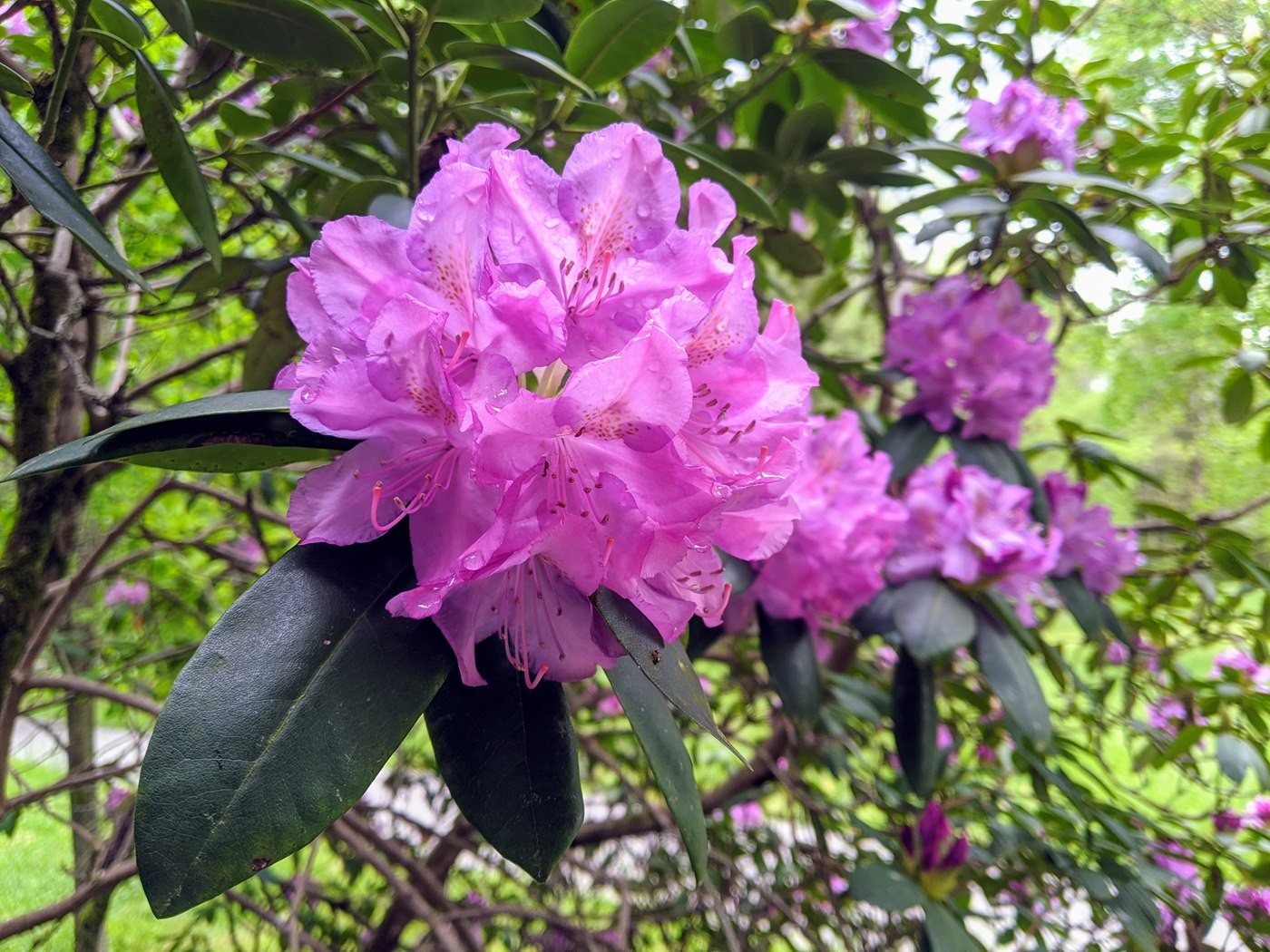
Catawba rhododendron brings colour to the Smokies.
NPS Photo · Public domain (U.S. federal government work) · Original recordImage changes
Resized and converted to JPEG for display; no subject alteration.
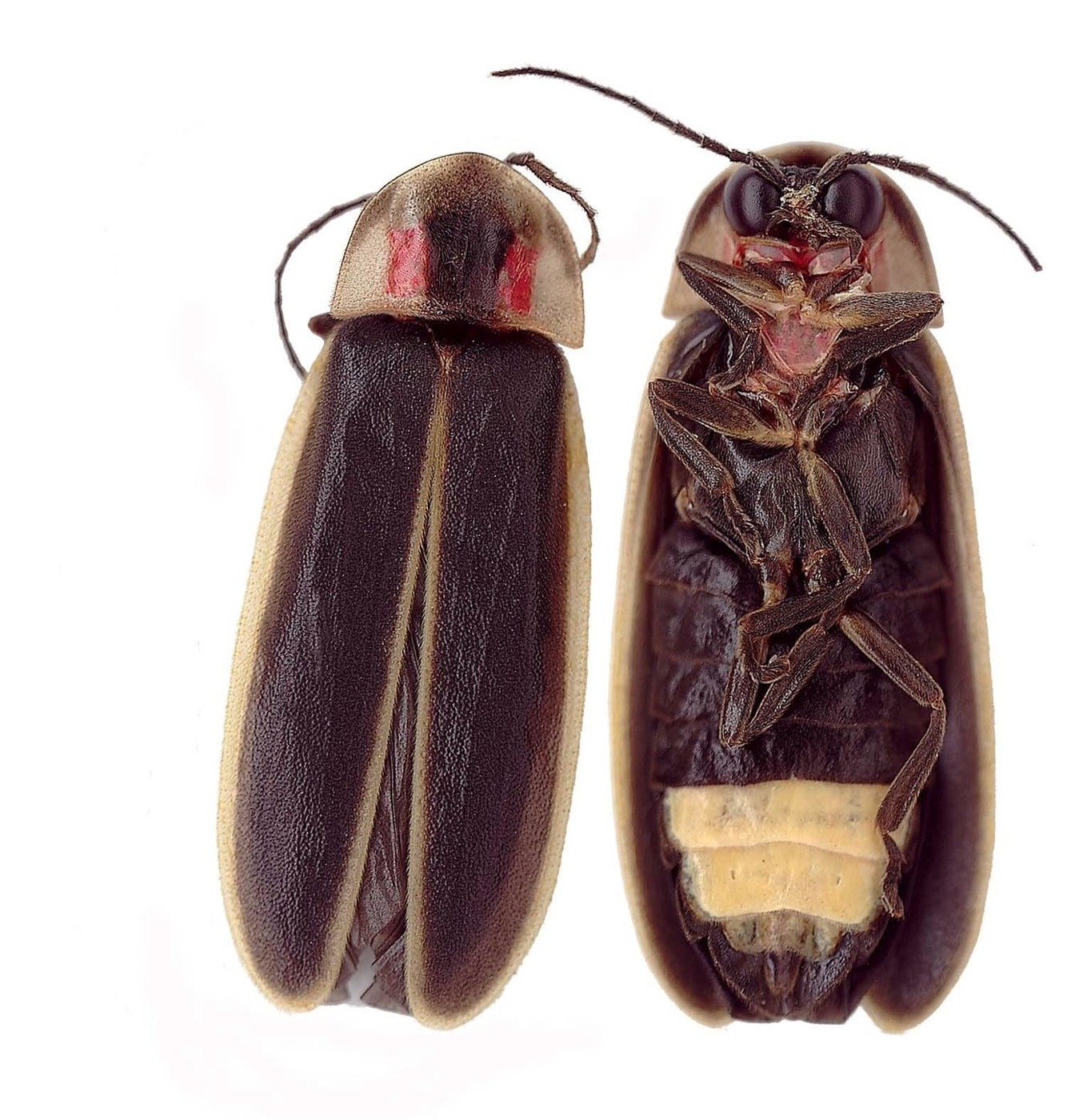
A closer look at a synchronous firefly.
NPS · Public domain (U.S. federal government work) · Original recordImage changes
Resized and converted to JPEG for display; no subject alteration.
The words
Alum Cave
Despite its name, Alum Cave is an inward-curving cliff rather than a true cave. The 80-foot (24-m) bluff is a landmark on the forested route to Mount Le Conte.
Cades Cove
Cherokee people hunted in this mountain-ringed valley before European settlement. Preserved barns, log houses, churches and a gristmill trace the farming community that followed.
Cataloochee
The Park Service records that families “had to leave” when the park was created; Cataloochee’s churches, school and houses preserve traces of a mountain farming community.
Did you know?
Elk returned to Cataloochee in 2001, when the park released 25 animals brought from Land Between the Lakes on the Tennessee–Kentucky border.
Park Service: Creating the park (opens a new tab) · Park Service: Cataloochee history (opens a new tab) · Park Service: Elk return (opens a new tab)
Cherokee
The Eastern Band of Cherokee Indians maintains plant-gathering traditions in this homeland. The Park Service describes the 1830s Trail of Tears as the “forced removal of indigenous people.”
Chimney Tops
The Chimney Tops expose a knife-edged backbone of rock above the forest. The surrounding Smokies are built largely from sedimentary rocks later changed by mountain-building heat and pressure.
Clingmans Dome
Clingmans Dome was the name given in 1859 to honor Thomas Clingman, a US senator who later became a Confederate general. The peak’s Cherokee name, Kuwohi, was restored in September 2024.
Elkmont
Logging brought a railroad and a working community to Elkmont in the early 20th century. Summer resort communities followed, leaving cabins and other traces of a changing mountain economy.
Did you know?
Elkmont’s synchronous fireflies use flashes to attract mates. Males flash together, while much dimmer females can answer during the pauses in their light display.
Park Service: Elkmont history (opens a new tab) · Park Service: Synchronous fireflies (opens a new tab)
Flame Azalea
Flame azalea is one of the Smokies’ native rhododendrons. Its flowers range through white, peach, yellow, orange and red, with blooming later on mountain tops than lower slopes.
Horace Kephart
Kephart wrote about Smokies residents after living among them at Hazel Creek. His book Our Southern Highlanders appeared in 1913, and his later writings helped promote the national park.
Did you know?
Photographer George Masa supplied images for many of Kephart’s articles; photographs and prose worked together to build public support for protecting the Smokies.
Kuwohi
The Cherokee name means “mulberry place.”
Cherokee people regard this mountain, the park’s highest, as sacred. An effort led by Eastern Band of Cherokee Indians members restored its name on September 18, 2024.
Park Service: 2024 name restoration (opens a new tab) · Smokies Life: Kuwohi history (opens a new tab)
Mingus Mill
Built in 1886, Mingus Mill stands on its original site near Oconaluftee. A water-powered turbine, rather than a water wheel, drove its milling machinery.
Mount Le Conte
Spruce-fir forest lines the approach above Alum Cave Bluffs on Mount Le Conte. Near the summit, Cliff Top and Myrtle Point provide viewpoints over the surrounding mountains.
Newfound Gap
Newfound Gap is a high pass connecting Tennessee and North Carolina. President Franklin D. Roosevelt formally dedicated the park here, at the Rockefeller Memorial, on September 2, 1940.
Park Service: High mountain pass (opens a new tab) · Park Service: Creating the park (opens a new tab)
Oconaluftee
This broad river valley forms the park’s southern gateway beside Cherokee and the Qualla Boundary. It also provides habitat for elk on the North Carolina side of the Smokies.
Park Service: Oconaluftee (opens a new tab) · Park Service: Elk return (opens a new tab)
Salamander
Many Smokies salamanders lack lungs, exchanging gases through their skin and the linings of their mouths and throats. Streams, leaf litter and shelter beneath rocks and logs provide habitats.
Did you know?
The Park Service’s amphibian page listed 31 salamander species when checked on October 25, 2026; the printed note gives 30.
Sources
- Hike to Mount Le Conte on Alum Cave TrailNational Park Service
- Sochan Gathering: A Cherokee Tradition - Great Smoky Mountains National ParkNational Park Service
- Blooming Shrubs - Great Smoky Mountains National ParkNational Park Service
- Ancient Name Returns to Smokies' Highest PeakNational Park Service
- Synchronous Fireflies - Great Smoky Mountains National ParkNational Park Service
- Founding the National Park - Great Smoky Mountains National ParkNational Park Service
- Mingus MillNational Park Service
- Elk - Great Smoky Mountains National ParkNational Park Service
- Cades Cove - Great Smoky Mountains National ParkNational Park Service
- History of Cataloochee - Great Smoky Mountains National ParkNational Park Service
- Metcalf Bottoms & Elkmont Area - Great Smoky Mountains National ParkNational Park Service
- Kuwohi & Newfound Gap Area - Great Smoky Mountains National ParkNational Park Service
- Stories - Great Smoky Mountains National ParkNational Park Service
- Geology - Great Smoky Mountains National ParkNational Park Service
- Amphibians - Great Smoky Mountains National ParkNational Park Service
- Kuwohi name restored to the highest peak in the SmokiesNational Park Service
- Oconaluftee Area - Great Smoky Mountains National ParkNational Park Service