
America’s National Parks
Puzzle 26 · The Great Plains · Page 44 in print
Wind Cave
In November 1913, 14 bison left New York City by train for Hot Springs, South Dakota, and went on by wagon to Wind Cave National Park.
Jump to a word
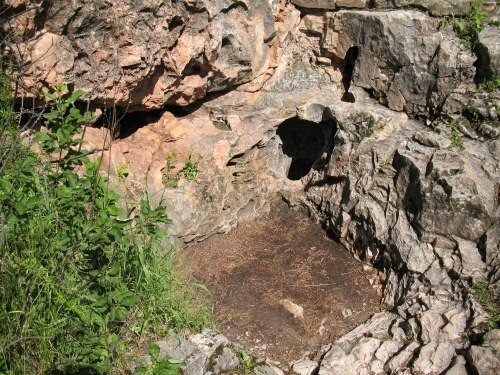
Wind Cave's natural entrance.
NPS Photo · Public domain (U.S. federal government work) · Original recordImage changes
Resized and converted to JPEG for display; no subject alteration.
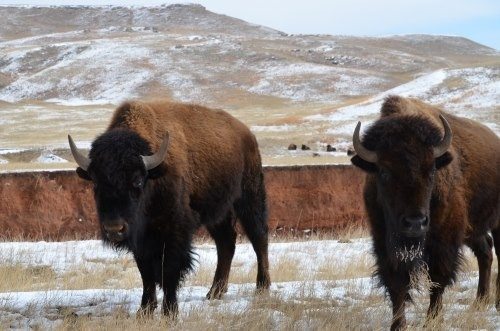
Bison above ground in Wind Cave National Park.
NPS Photo / Kim Acker · Public domain (U.S. federal government work) · Original recordImage changes
Resized and converted to JPEG for display; no subject alteration.
The words
Alvin McDonald
Alvin McDonald, the early explorer who recorded his cave explorations.
Black Hills
The Black Hills, the region containing Wind Cave.
Boxwork
Boxwork, the network of thin calcite fins in the cave.
Bronx Zoo
The Bronx Zoo, the source of bison reintroduced to Wind Cave in 1913.
Fairgrounds
Fairgrounds, a named room in the cave.
Frostwork
Frostwork, the delicate needle-like cave crystals.
Garden of Eden
Garden of Eden, a named area and tour route in the cave.
Lakota
The Lakota people, whose traditions and history connect them to Wind Cave.
Ponderosa Pine
Ponderosa pine, the tree forming woodland in the park.
Popcorn
Cave popcorn, the small knobby mineral formations.
Post Office
Post Office, a named room in the cave.
Rankin Ridge
Rankin Ridge, the park's high ridge and nature trail.
Tom Bingham
Tom Bingham, one of the brothers associated with the cave entrance's 1881 Euro-American discovery.
Wasun Niya
Wasun Niya, a Lakota name for Wind Cave in the emergence narrative.
Wind Cave
Wind Cave, the cave protected by the national park.
Sources
- Garden of Eden Tour for the Hearing Impaired - Wind Cave National ParkNational Park Service
- Forests - Wind Cave National ParkNational Park Service
- Natural Entrance Tour for the Hearing Impaired - Wind Cave National ParkNational Park Service
- National Park Getaway: Wind Cave National ParkNational Park Service
- Birth of a National Park - A National Park is Created - Wind Cave National ParkNational Park Service
- Speleothems (Cave Formations) - Wind Cave National ParkNational Park Service
- Rankin Ridge Nature TrailNational Park Service
- 14th Illustrator Show, “Lakota Emergence” at The Brinton Museum (news release, February 25, 2019)The Brinton Museum; CAIRNS Lakota Emergence exhibition