
The Life of Jesus
Puzzle 79 · Toward the Holy City · Page 111 in print
Labourers in the Vineyard
Workers hired at different hours receive the same promised pay, leading the householder to defend his generosity.
Jump to a word
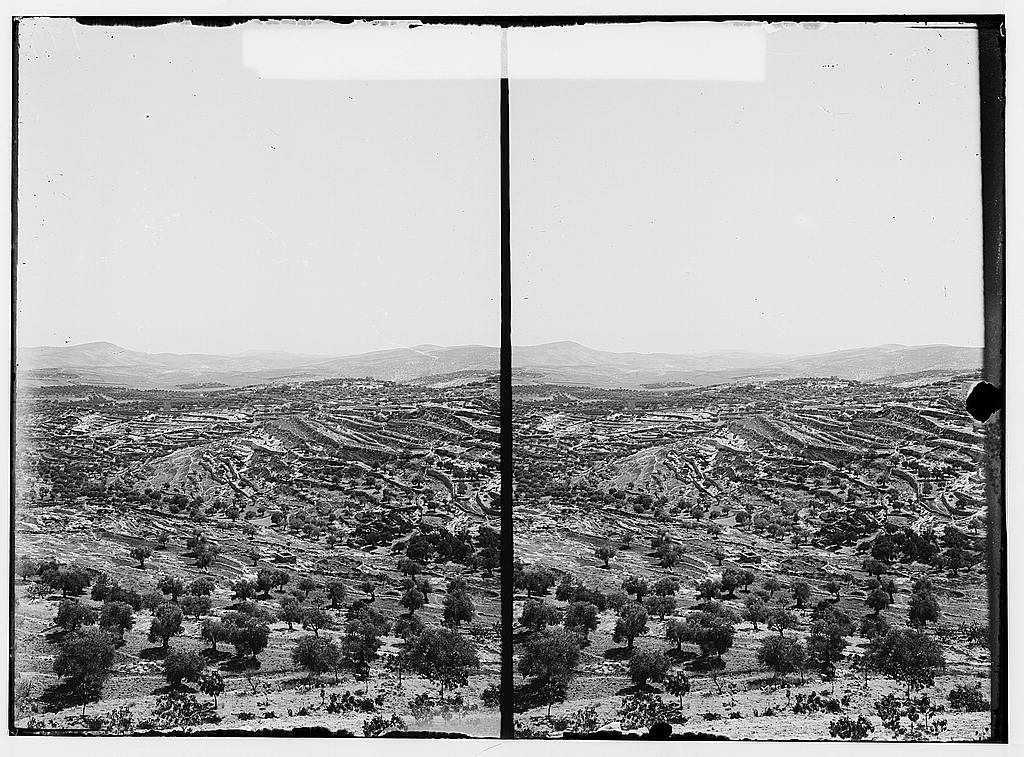
Vineyards and olive groves near Bethlehem, about 1900–1920.
A later vineyard directly illustrates the agricultural workplace in the parable.
American Colony (Jerusalem). Photo Department; G. Eric and Edith Matson Photograph Collection, Library of Congress. · No known restrictions on publication · Original recordImage changes
Resized proportionally to at most 1440px and JPEG compressed; no crop or content alteration.
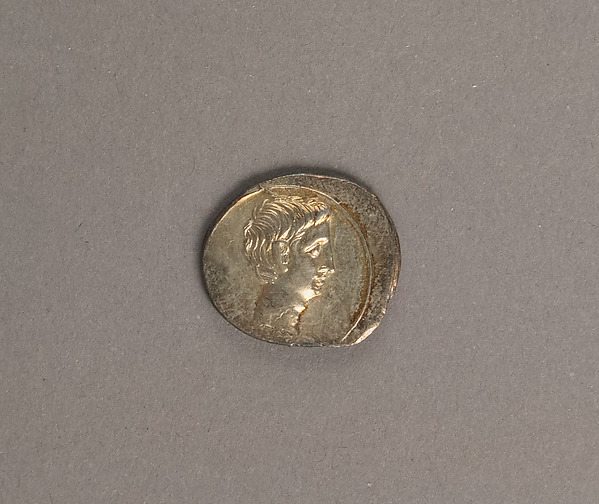
Silver denarius of Octavian (Augustus), ca. 29–27 BCE. Roman.
The Roman denarius corresponds to the kind of daily-wage unit translated penny; this specific issue is not a coin from the parable.
The Metropolitan Museum of Art; Rogers Fund, 1908; object 08.170.89. · CC0 / Public Domain · Original recordImage changes
Resized proportionally to at most 1440px and JPEG compressed; no crop or content alteration.
The words
Agreed
The householder settles a penny for a day’s work with the first laborers before sending them into the vineyard. When they later complain, he returns to that agreement in his answer.
Borne
The first workers say they have borne the day’s burden and heat, unlike those who worked only one hour. Their complaint follows receiving the same pay as the group hired last.
Chosen
The KJV closes with the few chosen contrasted with the many called, after the saying that the last will be first. This final phrase belongs to the KJV wording of the conclusion.
Did you know?
The King James Version follows later manuscripts here; many modern Bibles, following older ones, read differently or put these words in a footnote. The NET ends with the first-and-last saying.
Matthew 20:16 (opens a new tab) · NET Bible: Matthew 20:1–16 (opens a new tab) · Terry: Matthew 20:16 textual note (opens a new tab)
Eleventh Hour
The householder’s final hiring round comes about the eleventh hour, rendered about five o’clock that afternoon in the NET. At payment, these late workers receive a penny before those hired first.
Matthew 20:6–10 (opens a new tab) · NET Bible: Matthew 20:1–16 (opens a new tab)
Goodman
Householder or landowner.
The goodman is the householder against whom the first workers complain after receiving their wages. He answers one of them by recalling the agreed penny and his wish to give the last worker the same.
Matthew 20:11–14 (opens a new tab) · NET Bible: Matthew 20:1–16 (opens a new tab)
Heat of the Day
The heat forms part of the first workers’ complaint about equal payment. They contrast the burden of their longer working day with the final group’s single hour, before the householder recalls their agreed wage.
Idle
The householder finds people waiting without work in the marketplace. When he asks the last group why they have stood idle all day, they answer that no one has hired them.
Labourers
The householder hires workers for his vineyard early in the morning and returns for more at later hours. At evening, he orders payment from the last hired back to the first.
Marketplace
Matthew places the people awaiting work in the marketplace when the householder returns about the third hour. He sends this next group into the vineyard with a promise to pay what is right.
Ninth Hour
The ninth hour is another hiring round, after the morning agreement and the third-hour visit. The NET renders it about three o’clock that afternoon; the householder does as he has done before.
Matthew 20:2–5 (opens a new tab) · NET Bible: Matthew 20:1–16 (opens a new tab)
Penny
A denarius, the Roman silver coin named in this passage.
A penny is the agreed daily wage for the first workers and the amount paid to each late worker. The equal payment prompts the first group’s complaint, which the householder answers by recalling their agreement.
Matthew 20:2, 9–13 (opens a new tab) · NET Bible: Matthew 20:1–16 (opens a new tab)
Steward
Manager of the household or estate.
At evening, the vineyard’s owner tells his steward to call the workers and pay them. The owner specifies the order: those hired last are to be paid before those hired first.
Matthew 20:8–10 (opens a new tab) · NET Bible: Matthew 20:1–16 (opens a new tab)
Third Hour
The third hour marks the first return to hire more workers after the early-morning agreement. The NET renders it about nine o’clock in the morning; this group is promised whatever payment is right.
Matthew 20:1–4 (opens a new tab) · NET Bible: Matthew 20:1–16 (opens a new tab)
Vineyard
The vineyard is the workplace to which the householder sends each group he hires. At evening he directs the steward to pay them, and the scene turns from recruitment to the dispute over equal wages.
Wrought
Worked; here, for one hour.
The first workers say the final group has worked only one hour, yet has been made equal to them in pay. Wrought belongs to their complaint, which contrasts that hour with their own longer toil.
Matthew 20:9–12 (opens a new tab) · NET Bible: Matthew 20:1–16 (opens a new tab)
Sources
- Matthew 20:1-16 (King James Version)King James Version, passage navigation via Bible Gateway
- Matthew 20:1-16 (NET Bible), translation and notesNET Bible, via Bible Gateway
- The Bible Student’s Guide to New Testament Textual Variants: Matthew 20:16Bruce Terry