
The Life of Jesus
Puzzle 33 · Works of Healing · Page 54 in print
Jairus and His Daughter
A synagogue ruler seeks help for his daughter; the journey is interrupted by another person’s healing.
Jump to a word
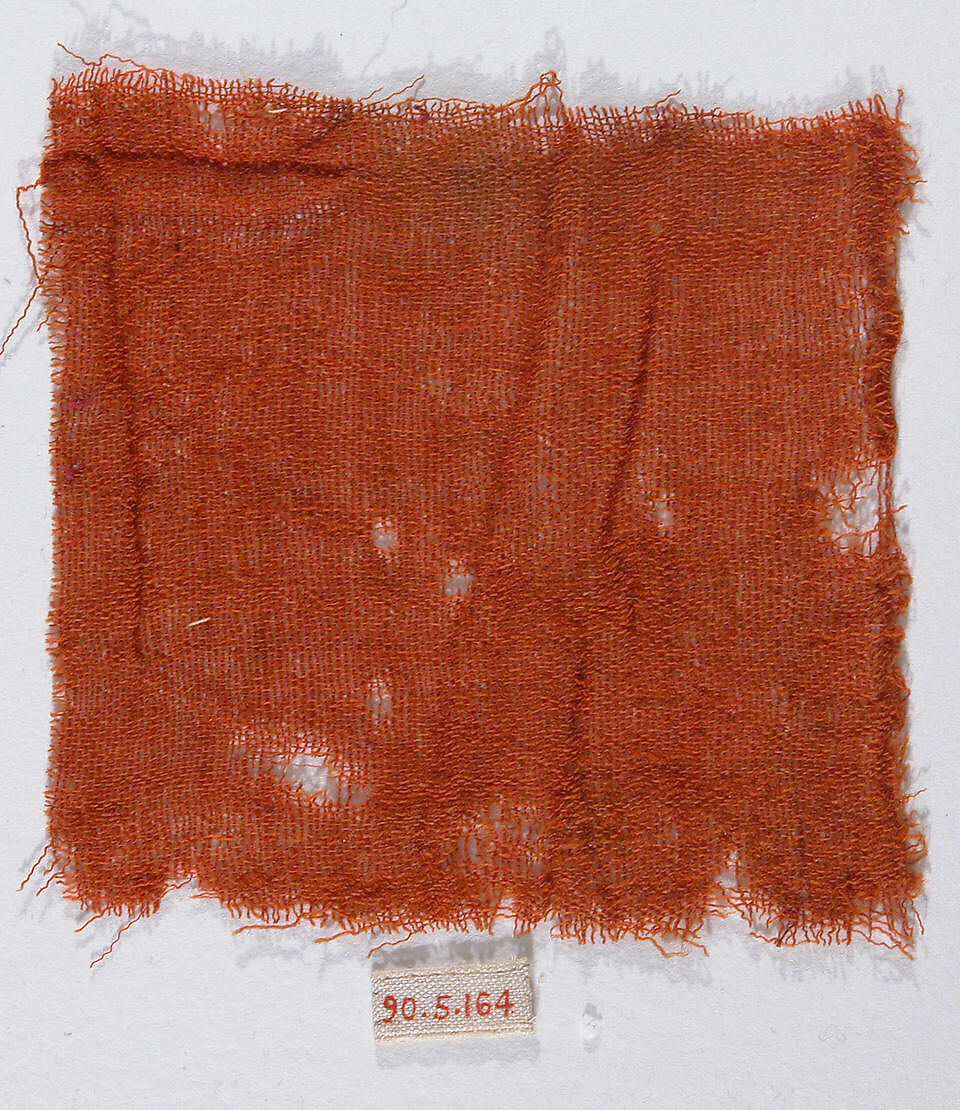
Linen fragment attributed to Egypt, 1st century BCE–1st century CE.
The Metropolitan Museum of Art, Gift of George F. Baker, 1890 (90.5.164) · CC0 · Original recordImage changes
Display copies resized; original downloaded JPEG preserved.
The words
Bettered
Made better; improved.
Mark reports that the woman had suffered under many physicians, spent all she had and was “nothing bettered, but rather grew worse.”
Mark 5:25–26 (opens a new tab) · NET Bible: Mark 5:21-43 (opens a new tab)
Damsel
A young girl.
Mark describes Jesus taking the girl’s hand and saying “Talitha cumi”; after she rises and walks, he tells those present to give her something to eat.
Mark 5:41–43 (opens a new tab) · NET Bible: Mark 5:21-43 (opens a new tab)
Daughter
Luke calls Jairus’s child his only daughter, about twelve years old; Mark also uses “Daughter” as Jesus’s address to the woman who touched his garment.
Luke 8:41–42 (opens a new tab) · Mark 5:27; Mark 5:34 (opens a new tab)
Fountain
Mark says the “fountain of her blood was dried up” after she touches Jesus’s garment; the NET describes the bleeding stopping before Jesus asks who touched him.
Mark 5:27–30 (opens a new tab) · NET Bible: Mark 5:21-43 (opens a new tab)
Garment
Mark says the woman comes behind Jesus in the crowd and touches his garment; Luke specifies the border, while the NET calls the garment a cloak.
Did you know?
The Met lists the pictured linen fragment’s maximum height and width as 4 1/16 inches (10.3 cm); its record identifies a plain weave.
Mark 5:27 (opens a new tab) · Luke 8:44 (opens a new tab) · NET Bible: Mark 5:21-43 (opens a new tab) · The Met: linen fragment (opens a new tab)
Issue of Blood
Persistent bleeding.
Mark introduces the woman’s “issue of blood” as lasting twelve years; Luke also gives that duration and says she approaches from behind to touch the garment’s border.
Mark 5:25 (opens a new tab) · Luke 8:43–44 (opens a new tab) · NET Bible: Luke 8:40-56 (opens a new tab)
Jairus
Mark and Luke name Jairus as a synagogue ruler who falls at Jesus’s feet; Luke specifically records his request that Jesus come into his house.
Mark 5:22–23 (opens a new tab) · Luke 8:41 (opens a new tab)
Scorn
Mark and Luke say those present laugh at Jesus’s statement that the girl sleeps; Luke adds that they knew she was dead.
Mark 5:39–40 (opens a new tab) · Luke 8:52–53 (opens a new tab)
Sleepeth
Mark records Jesus saying the girl “is not dead, but sleepeth”; Luke also gives that statement, while describing the onlookers as knowing she was dead.
Mark 5:39 (opens a new tab) · Luke 8:52–55 (opens a new tab)
Talitha Cumi
Little girl, arise.
Mark preserves “Talitha cumi” and immediately interprets it as “Damsel, I say unto thee, arise”; Luke gives Jesus’s shorter address, “Maid, arise.”
Mark 5:41 (opens a new tab) · Luke 8:54 (opens a new tab) · NET Bible: Mark 5:21-43 (opens a new tab)
Thronged
Mark describes the crowd thronging Jesus as he goes with Jairus; the disciples later point to that crowd when Jesus asks who touched his clothes.
Trembling
Mark describes the woman coming forward “fearing and trembling” and telling Jesus the truth; Luke reports her explaining before the people why she touched him.
Tumult
A noisy commotion.
Mark places the tumult at the synagogue ruler’s house, alongside weeping and loud wailing; the scene follows the message that Jairus’s daughter has died.
Mark 5:35; Mark 5:38 (opens a new tab) · NET Bible: Mark 5:21-43 (opens a new tab)
Virtue
Mark says Jesus knows “virtue” has gone out from him; Luke gives Jesus’s own statement that he perceives it, and the NET uses “power.”
Mark 5:30 (opens a new tab) · Luke 8:46 (opens a new tab) · NET Bible: Mark 5:21-43 (opens a new tab) · NET Bible: Luke 8:40-56 (opens a new tab)
Wailed
Mark pairs weeping with those who “wailed greatly” at Jairus’s house; Luke describes the people there as weeping and bewailing her before Jesus speaks.
Mark 5:38–39 (opens a new tab) · Luke 8:52 (opens a new tab)
Sources
- Mark 5:21-43 (King James Version)King James Version, passage navigation via Bible Gateway
- Luke 8:40-56 (King James Version)King James Version, passage navigation via Bible Gateway
- Mark 5:21-43 (NET Bible), translation and notesNET Bible, via Bible Gateway
- Luke 8:40-56 (NET Bible), translation and notesNET Bible, via Bible Gateway
- Textile Fragment, object 90.5.164The Metropolitan Museum of Art