
The Life of Jesus
Puzzle 27 · The First Signs · Page 46 in print
The Lord of the Sabbath
A dispute over plucked grain leads Jesus to recall David and to speak about the Sabbath’s purpose.
Jump to a word
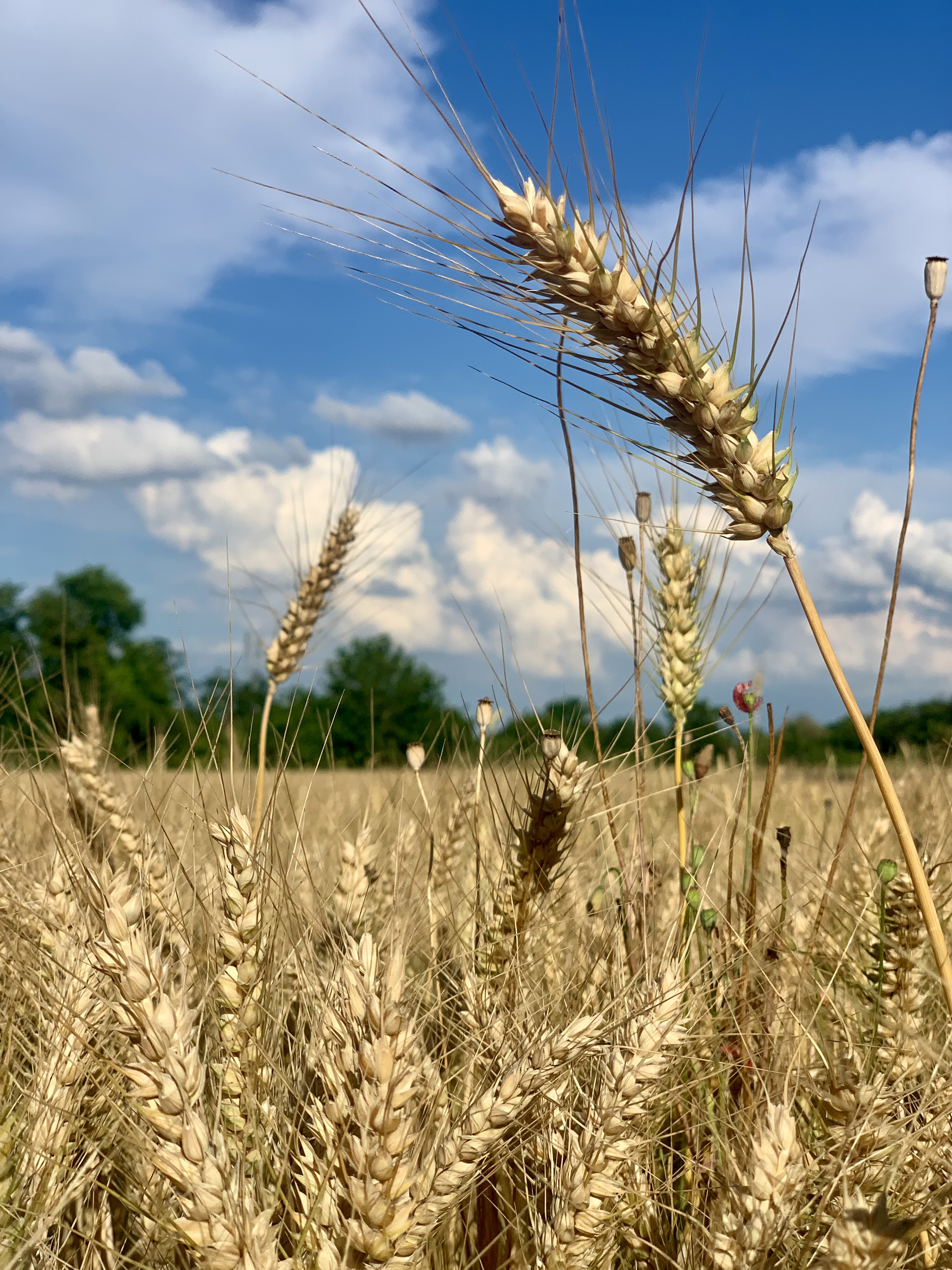
Ears of wheat, photographed June 5, 2026.
Daniela M. / Wikimedia Commons · CC BY-SA 4.0 · Original recordImage changes
Display copies resized; original downloaded JPEG preserved.
The words
Abiathar
Mark names Abiathar in Jesus’s account of David eating the bread; 1 Samuel 21:1 names Ahimelech as the priest David meets at Nob.
Mark 2:26 (opens a new tab) · 1 Samuel 21:1 (opens a new tab) · NET Bible: Mark 2:23-28 (opens a new tab)
Corn Fields
Fields of grain, not maize.
Mark places Jesus and his disciples in grain fields when the disciples pluck grain heads; the Pharisees then question why they are doing this on the Sabbath.
Mark 2:23–24 (opens a new tab) · NET Bible: Mark 2:23-28 (opens a new tab)
David
Mark records Jesus recalling David and his companions being hungry; in 1 Samuel 21, David asks the priest for five loaves or whatever bread is available.
Mark 2:25–26 (opens a new tab) · 1 Samuel 21:3 (opens a new tab)
Ears of Corn
Seed heads of grain.
Matthew describes the hungry disciples plucking grain heads and eating; Luke adds that they rub them in their hands, while Mark records the objection about the Sabbath.
Matthew 12:1 (opens a new tab) · Luke 6:1 (opens a new tab) · Mark 2:24 (opens a new tab) · NET Bible: Mark 2:23-28 (opens a new tab)
Hands
Luke specifies that the disciples eat the plucked grain while “rubbing them in their hands”; his next verse gives the Pharisees’ question about their Sabbath actions.
High Priest
Mark uses the title high priest when naming Abiathar in Jesus’s example; Matthew and Luke’s parallels describe priests allowed to eat the bread without naming a high priest.
Mark 2:26 (opens a new tab) · Matthew 12:4 (opens a new tab) · Luke 6:4 (opens a new tab)
House of God
Mark, Matthew and Luke each describe David entering the house of God in Jesus’s reply; 1 Samuel 21 places David’s meeting with the priest at Nob.
Mark 2:26 (opens a new tab) · Matthew 12:4 (opens a new tab) · Luke 6:4 (opens a new tab) · 1 Samuel 21:1 (opens a new tab)
Made for Man
Mark records Jesus saying “The sabbath was made for man, and not man for the sabbath”; the NET uses “people” where the KJV has “man.”
Mark 2:27 (opens a new tab) · NET Bible: Mark 2:23-28 (opens a new tab)
Need
Mark puts David’s need and hunger at the start of Jesus’s example, before describing him eating the bread and sharing it with those accompanying him.
Pluck
Pick by hand.
Mark describes the disciples plucking grain heads as they pass through the fields; Matthew adds their hunger and eating before the objection about the Sabbath.
Did you know?
Deuteronomy 23:25 permits plucking a neighbor’s grain by hand but forbids using a sickle there; the Gospel dispute specifically concerns the action on the Sabbath.
Mark 2:23 (opens a new tab) · Matthew 12:1–2 (opens a new tab) · Deuteronomy 23:25 (opens a new tab)
Priests
Matthew records Jesus mentioning priests permitted to eat the bread, then describing temple priests working on the Sabbath as “blameless.”
Did you know?
Matthew records Jesus quoting “I will have mercy, and not sacrifice”; Hosea 6:6 also places mercy beside “the knowledge of God.”
Matthew 12:4–7 (opens a new tab) · Hosea 6:6 (opens a new tab)
Rubbing
Luke includes rubbing the grain in the disciples’ hands as they eat; Matthew describes plucking and eating, while Mark describes plucking before the Pharisees’ question.
Luke 6:1 (opens a new tab) · Matthew 12:1 (opens a new tab) · Mark 2:23–24 (opens a new tab)
Sabbath
The weekly seventh-day rest.
Mark places the grain-field question on the Sabbath; Jesus replies with David’s example and sayings about the Sabbath’s purpose and the Son of Man’s lordship.
Mark 2:23–28 (opens a new tab) · Exodus 20:8–10 (opens a new tab)
Shewbread
Showbread; sacred bread set before God.
Mark’s account has David eating the shewbread and sharing it; Leviticus 24:9 assigns this sacred bread to Aaron and his sons to eat in the holy place.
Mark 2:26 (opens a new tab) · Leviticus 24:6–9 (opens a new tab) · NET Bible: Mark 2:23-28 (opens a new tab)
Son of Man
Mark, Matthew and Luke each record Jesus’s saying that the Son of Man is Lord of the Sabbath, following his reply about David and the bread.
Mark 2:25–28 (opens a new tab) · Matthew 12:3–8 (opens a new tab) · Luke 6:3–5 (opens a new tab)
Sources
- Mark 2:23-28 (King James Version)King James Version, passage navigation via Bible Gateway
- Matthew 12:1-8 (King James Version)King James Version, passage navigation via Bible Gateway
- Luke 6:1-5 (King James Version)King James Version, passage navigation via Bible Gateway
- 1 Samuel 21:1-6 (King James Version)King James Version, passage navigation via Bible Gateway
- Leviticus 24:5-9 (King James Version)King James Version, passage navigation via Bible Gateway
- Deuteronomy 23:24-25 (King James Version)King James Version, passage navigation via Bible Gateway
- Hosea 6:4-6 (King James Version)King James Version, passage navigation via Bible Gateway
- Exodus 20:8-11 (King James Version)King James Version, passage navigation via Bible Gateway
- Mark 2:23-28 (NET Bible), translation and notesNET Bible, via Bible Gateway